
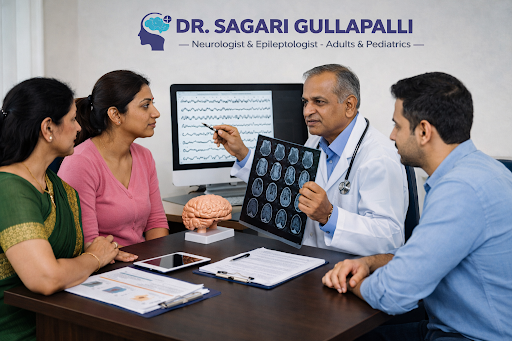
Epilepsy is a neurological condition that affects the normal electrical activity of the brain and leads to repeated seizures. These seizures can appear in different forms, such as sudden jerking movements, temporary confusion, or loss of awareness. The condition can affect individuals of all ages, including children, teenagers, adults, and elderly people.
Many people feel scared or confused when they hear the word epilepsy. This is because they do not fully understand the condition. Lack of awareness often leads to fear and stigma. However, medical science has made significant progress in managing epilepsy effectively.
Seizures occur when the brain sends abnormal signals that disturb normal body functioning. These episodes may last for a few seconds or several minutes depending on the type of seizure. Some patients experience mild symptoms, while others may face severe seizures that require immediate medical care.
Without proper treatment, epilepsy can interfere with education, employment, and social relationships. Early recognition of symptoms helps patients seek timely medical help. Proper treatment can significantly reduce seizure frequency and improve daily functioning.
Modern diagnostic technology has transformed epilepsy treatment and management. Advanced tests help doctors identify the exact cause and type of seizures accurately. Early medical care prevents complications and reduces long-term neurological damage.
Doctors now design treatment plans based on each patient's health condition and seizure pattern. Continuous monitoring helps doctors adjust treatment whenever necessary. These advancements help patients live safe and productive lives.
Consulting the Best Epilepsy Specialist in Hyderabad plays a major role in proper diagnosis and long-term care. Experienced specialists carefully study patient symptoms, medical history, and diagnostic test results. They create personalized treatment plans that improve seizure control and reduce medication side effects.
Professional neurological care ensures safe and effective treatment outcomes. Patients also receive lifestyle and emotional support guidance. Specialized care improves both physical and mental health.
This blog provides detailed information about epilepsy, including its causes, symptoms, diagnosis, and treatment methods. It also explains lifestyle practices that help patients manage seizures effectively.
Awareness helps patients and families understand epilepsy better. Proper education reduces fear and misunderstanding about the condition. Learning about epilepsy encourages early consultation and treatment. Understanding the disorder helps patients lead confident and independent lives.
Epilepsy is a long-term neurological disorder that affects how the brain communicates through electrical signals. The brain normally sends controlled signals that help the body function properly. In epilepsy, these signals become abnormal and cause seizures.
A seizure is a sudden burst of uncontrolled electrical activity that may affect movement, awareness, or behavior. Some seizures involve physical movements, while others may cause brief loss of awareness. The severity of seizures varies among patients.
Seizures can appear in different patterns depending on the affected brain area. Some seizures cause sudden body shaking, while others may cause staring spells or confusion. In certain cases, patients remain conscious during seizures but cannot control their movements. Other seizures may cause complete loss of awareness or unconsciousness.
Each seizure type requires different treatment approaches. Identifying seizure patterns helps doctors design effective treatment plans.
Many people often misunderstand epilepsy as a contagious or psychological disorder, which is incorrect. It does not spread through physical contact, and mental weakness does not cause it. However, repeated seizures may affect emotional health and social confidence. Many patients experience anxiety, fear, or embarrassment due to lack of awareness in society.
Emotional and psychological support is an important part of epilepsy care. Counseling helps patients manage emotional stress effectively.
Diagnosis of epilepsy involves detailed neurological examination and medical history evaluation. Doctors analyze seizure frequency, duration, and symptoms carefully.
Advanced diagnostic tests help identify abnormal brain activity and structural brain changes. Early diagnosis prevents severe complications and improves treatment success. Proper monitoring helps track patient recovery progress. Accurate diagnosis is essential for long-term epilepsy management.
The Best Epilepsy Specialist in Hyderabad focuses on identifying the root cause of seizures rather than only controlling symptoms. Specialists use advanced technology to understand brain activity patterns. Personalized treatment ensures better seizure control and fewer side effects.
Continuous follow-up care improves patient safety. Professional guidance helps patients maintain stable neurological health. Expert care helps individuals live independent and active lives.
Epilepsy can develop due to various medical conditions, injuries, or genetic factors. In some patients, doctors may not find the exact cause of seizures. However, understanding common causes helps in proper diagnosis and treatment planning.
Brain injuries, infections, stroke, and developmental disorders are major causes of epilepsy. Environmental factors may also contribute to seizure disorders. Identifying the underlying cause improves treatment effectiveness and recovery chances.
Brain injuries are one of the most common causes of epilepsy. Head injuries caused by accidents, falls, or sports activities can damage brain cells. This damage disrupts normal brain electrical signals and leads to seizures. Traumatic brain injuries may cause epilepsy immediately or after several years.
Early medical care helps reduce long-term complications. Proper monitoring helps prevent frequent seizures.
Genetic factors also play an important role in epilepsy development. Some individuals inherit seizure disorders from family members. Genetic mutations affect how brain cells communicate and increase seizure risk.
Doctors often review family medical history while diagnosing epilepsy. Genetic testing helps identify inherited neurological disorders. Understanding genetic causes helps specialists plan personalized treatment.
Brain infections such as meningitis, brain infection, or parasitic infections can trigger epilepsy. These infections cause inflammation and damage brain tissues.
Stroke and brain tumors also increase seizure risk by damaging brain structures responsible for movement and awareness. Early treatment of these conditions reduces epilepsy risk. Medical imaging helps doctors detect structural brain abnormalities.
Developmental disorders may increase epilepsy risk, especially in children. Conditions such as autism or neurological developmental delays affect brain functioning.
Early intervention helps control seizure symptoms in children. Doctors carefully evaluate developmental history during diagnosis. Proper therapy improves brain development and seizure control. Identifying developmental causes supports effective treatment planning.
Seizures in epilepsy are classified into different types based on brain activity patterns. The two main seizure categories are focal seizures and generalized seizures. Each seizure type affects brain functioning differently and requires specific treatment methods.
Understanding seizure classification helps doctors choose suitable medications and therapies. Proper seizure identification reduces treatment complications. Accurate classification improves patient safety and recovery.
Focal seizures begin in one specific part of the brain and may affect only certain body functions. Patients may experience unusual sensations such as tingling, dizziness, or emotional changes.
Some patients remain fully conscious during focal seizures but lose control over body movements. Others may experience confusion or temporary loss of awareness.
Symptoms depend on the brain area affected by abnormal signals. Early diagnosis helps control focal seizures effectively.
Generalized seizures affect both sides of the brain and usually cause loss of consciousness. Patients may experience muscle stiffness, jerking movements, or sudden collapse. These seizures are more noticeable and may cause injuries if not managed properly. Some generalized seizures involve brief staring spells or sudden muscle weakness.
Immediate medical care helps prevent complications. Regular monitoring helps reduce seizure frequency.
Certain seizures appear mild and are often misunderstood or ignored. Patients may experience brief memory loss or repeated unusual movements. These symptoms may not always involve physical shaking.
Tracking subtle symptoms helps doctors identify seizure patterns accurately. Early recognition prevents severe seizure episodes. Medical consultation improves diagnosis and treatment success.
The Best Epilepsy Specialist in Hyderabad uses advanced diagnostic tools to classify seizure types accurately. Specialists analyze EEG reports and brain imaging results carefully. Proper seizure classification helps choose correct medications and therapies.
Personalized treatment reduces seizure recurrence. Continuous monitoring improves patient safety. Expert neurological care ensures effective long-term seizure management.
Epilepsy symptoms vary among patients. Some seizures cause physical shaking, while others affect awareness.
Symptoms may appear suddenly without warning. Recognizing early signs helps prevent complications. Proper diagnosis supports effective treatment.
Common symptoms include jerking movements and muscle stiffness. Patients may experience confusion or staring spells. Loss of consciousness is also frequent.
Sudden emotional changes may occur. Symptoms vary depending on seizure type.
Some patients experience warning signs before seizures. These signs include dizziness, anxiety, or unusual sensations.
Post-seizure symptoms include fatigue or confusion. Monitoring symptoms helps doctors evaluate seizure patterns. Accurate symptom tracking supports treatment planning.
Repeated symptoms require immediate medical consultation. Ignoring symptoms may increase seizure severity. Early treatment improves seizure control. Proper care prevents injuries. Awareness helps patients manage epilepsy safely.
The Best Epilepsy Specialist in Hyderabad evaluates symptoms carefully. Specialists perform neurological examinations and diagnostic tests.
Accurate diagnosis improves treatment effectiveness. Continuous monitoring ensures patient safety. Professional care supports long-term recovery.
Advanced treatment options have changed epilepsy care in recent years. Many patients who do not respond well to basic medicines can now benefit from modern therapies.
The Best Epilepsy Specialist in Hyderabad carefully studies each patient’s medical history before choosing advanced treatment methods. These treatments focus on controlling seizures while maintaining the patient’s quality of life. Experts design modern treatment plans to ensure safety and effectiveness for both children and adults.
One important advanced treatment is epilepsy surgery. Doctors suggest this option only when medicines cannot control seizures. The doctor identifies the exact part of the brain causing seizures through detailed scans and tests. If doctors can safely treat that part, surgery may help reduce or completely stop seizures.
Patients usually undergo several evaluations before surgery to ensure it is the right choice. This careful process improves treatment success rates.
Another modern treatment is Vagus Nerve Stimulation (VNS) therapy. This therapy uses a small device placed under the skin to send signals to the brain. These signals help reduce seizure frequency and intensity.
VNS therapy is especially helpful for patients who cannot undergo surgery. Many people consider it a safe and long-term treatment option. Many patients experience better seizure control after starting this therapy.
Healthcare providers also use diet-based treatments such as the ketogenic diet in epilepsy care. This special diet helps some patients control seizures, especially children. The diet focuses on high fat and low carbohydrate intake.
Doctors and dieticians guide patients carefully while following this plan. We need to monitor regularly to ensure proper nutrition. Doctors usually recommend this treatment when medicines do not work effectively.
Emergency care and rescue treatments are also part of advanced epilepsy management. Doctors use these treatments during severe or prolonged seizures. Quick treatment reduces complications and protects brain health.
Doctors educate patients and families about emergency response techniques. Having proper knowledge helps people handle sudden seizures calmly. Advanced treatment options have given new hope to many epilepsy patients.
• Create a Safe Home Environment
Patients should remove sharp objects and install safety padding in areas where falls are possible. Bathrooms and kitchens require extra caution to prevent injuries during seizures. Using non-slip flooring helps improve safety. A safe home reduces the risk of serious accidents.
• Inform Family, Friends, and Workplace Colleagues
People around epilepsy patients should know how to respond during a seizure. Educating close contacts helps ensure quick and proper emergency support. Awareness reduces panic and improves patient safety. Support from family and colleagues builds confidence in daily life.
• Carry Medical Identification
Patients should wear medical alert bracelets or carry emergency health information. This helps healthcare providers understand the condition quickly during emergencies. Medical identification ensures faster and safer treatment. It also helps strangers or public responders provide correct assistance.
Lifestyle management plays a major role in controlling epilepsy. Following healthy habits helps reduce seizure triggers and supports overall brain health.
The Best Epilepsy Specialist in Hyderabad often advises patients to maintain regular sleep schedules. Lack of sleep is a common trigger for seizures. We encourage patients to get enough rest and avoid late-night activities. Good sleep improves treatment effectiveness and overall well-being.
Stress management is another important part of epilepsy care. High stress levels can increase seizure frequency in some patients.
Doctors recommend relaxation techniques such as meditation, breathing exercises, and yoga. These methods help calm the mind and improve emotional health.
Patients are also encouraged to discuss their concerns with family or counselors. Emotional support helps patients stay confident and positive during treatment.
Physical activity is beneficial for epilepsy patients when done safely. Regular exercise improves blood circulation and reduces stress levels.
Patients should choose safe activities such as walking, swimming, or light workouts. Doctors guide patients about which exercises are suitable for their condition.
Avoiding risky sports or activities helps prevent injuries during seizures. Staying physically active improves overall health and energy levels.
Diet and nutrition also play a role in seizure control. Eating balanced meals supports brain function and maintains body strength. Doctors advise patients to avoid excessive caffeine and alcohol consumption. Drinking enough water helps maintain body balance.
Some patients may require special diet plans as part of treatment. Doctors and dieticians work together to provide personalized dietary advice.
Support from family and society is crucial for epilepsy patients. Awareness and understanding reduce fear and stigma around the condition. Families should learn basic seizure first aid and emergency care methods.
Emotional support from loved ones helps patients stay motivated during treatment. Educational programs and support groups also help patients share experiences. Lifestyle management and support improve both treatment results and quality of life.
Early diagnosis is crucial in epilepsy treatment. Detecting seizures early helps doctors start treatment before the condition becomes severe.
The Best Epilepsy Specialist in Hyderabad uses advanced tests to identify epilepsy at early stages. Early treatment reduces seizure frequency and prevents complications. Patients who receive timely treatment often respond better to medicines. Early diagnosis also helps doctors identify the type and cause of seizures accurately.
Long-term monitoring helps doctors track treatment progress. Epilepsy is a condition that requires continuous observation and care. Doctors regularly review seizure patterns and medication effects. Monitoring helps doctors adjust treatment plans based on patient response.
Doctors encourage patients to maintain seizure diaries to record symptoms and triggers. This information helps doctors make better treatment decisions.
Monitoring also helps detect side effects of medicines. Some epilepsy medications may cause mild side effects in certain patients.
Regular check-ups allow doctors to adjust dosage if needed. Blood tests and follow-up scans help monitor brain activity and overall health.
Proper monitoring ensures patient safety during treatment. It also helps doctors prevent complications before they become serious.
Technology has improved long-term epilepsy monitoring. Wearable devices and mobile apps help track seizure activity in real-time. These tools help patients and doctors stay informed about seizure patterns. Digital monitoring improves treatment accuracy and convenience.
Many patients find these tools helpful in managing daily life with epilepsy. Technology has made epilepsy care more advanced and patient-friendly.
Long-term monitoring also focuses on patient education and counseling. Doctors educate patients about seizure triggers, safety precautions, and lifestyle changes.
Continuous communication between doctor and patient builds trust and confidence. Regular monitoring helps maintain seizure control and improve treatment outcomes. Early diagnosis combined with long-term monitoring provides better health results for epilepsy patients.
• Lack of Proper Sleep
Sleep deprivation is one of the most common seizure triggers in epilepsy patients. When the brain does not get enough rest, electrical activity can become unstable. Maintaining a regular sleep schedule helps reduce seizure risk. Patients should avoid late nights and irregular sleep patterns.
• Stress and Emotional Pressure
High stress levels can disturb brain activity and increase seizure frequency. Emotional strain, anxiety, and mental exhaustion can act as strong triggers. Practicing relaxation techniques like meditation and breathing exercises helps maintain emotional balance. Managing stress plays an important role in seizure prevention.
• Skipping Medications or Alcohol Consumption
Missing prescribed medications can disturb seizure control and lead to sudden episodes. Alcohol consumption may interfere with brain activity and reduce medication effectiveness. Patients should strictly follow their treatment plan. Avoiding alcohol and harmful substances helps maintain stable brain function.
Hyderabad has become a leading center for neurological and epilepsy treatment. The city offers advanced medical technology and experienced specialists. Patients from different regions visit Hyderabad for epilepsy care.
The Best Epilepsy Specialist in Hyderabad provides advanced treatment methods and patient-focused care. The availability of modern hospitals and diagnostic centers supports effective epilepsy management. Hyderabad continues to grow as a trusted healthcare destination.
The presence of experienced neurologists has improved epilepsy care quality in the city. Specialists use updated treatment methods and modern diagnostic tools. Patients receive personalized treatment plans based on their medical needs.
Hyderabad doctors focus on both medical treatment and emotional support. This patient-centered approach improves treatment success rates. Many patients experience better seizure control through expert care.
Advanced hospital infrastructure also supports epilepsy treatment in Hyderabad. Hospitals provide modern operation theatres and intensive care facilities. Diagnostic services such as EEG, MRI, and CT scans are easily available.
Emergency services ensure quick response during severe seizures. Patients receive comprehensive care under one roof. Modern hospital facilities improve safety and comfort during treatment.
Hyderabad also provides cost-effective epilepsy treatment compared to many other cities. Patients can receive advanced medical care at affordable costs. Many hospitals offer treatment packages and counseling services. Affordable treatment helps patients continue long-term epilepsy care without financial burden.
Accessibility and affordability make Hyderabad a preferred treatment destination. Patients from different economic backgrounds can receive quality care.
Patient awareness and support programs are also improving epilepsy care in Hyderabad. Hospitals conduct educational programs to spread awareness about seizure management. Support groups help patients share experiences and learn from others. These programs reduce stigma and fear related to epilepsy.
Awareness and education encourage patients to seek treatment early. Hyderabad continues to strengthen its position as a trusted epilepsy treatment center.
Choosing the right epilepsy specialist is an important decision for patients. Proper treatment depends on the doctor’s knowledge and experience. Patients should check the specialist’s qualifications and medical background.
The Best Epilepsy Specialist in Hyderabad usually has strong clinical experience and advanced training. Patients should also review treatment methods and patient feedback. Selecting the right doctor improves treatment success and patient confidence.
Communication between doctor and patient is crucial. Patients should feel comfortable discussing symptoms and concerns. A good specialist listens carefully and explains treatment plans clearly. Clear communication helps patients understand their condition and follow treatment instructions.
Doctors who provide emotional support help patients stay motivated. Good doctor-patient communication improves overall treatment experience.
Availability of advanced diagnostic and treatment facilities is another important factor. Patients should choose specialists who have access to modern technology. Advanced testing helps doctors provide accurate diagnosis and effective treatment. Hospitals with modern infrastructure improve patient safety.
Patients should also check if emergency care services are available. Choosing a well-equipped medical center supports better epilepsy care.
A personalized treatment approach is also important when selecting a specialist. Every epilepsy case is different and requires individual care. Doctors should design treatment plans based on seizure type and patient lifestyle.
Personalized treatment improves seizure control and reduces side effects. Patients should feel confident in their doctor’s treatment strategy. Customized care provides better long-term results.
Patients should also consider long-term support and follow-up care while choosing a specialist. Epilepsy treatment requires continuous monitoring and guidance. Specialists who provide regular follow-ups help maintain seizure control. Counseling and education programs improve patient awareness and confidence.
Choosing the right epilepsy specialist ensures safe and effective treatment. Proper specialist selection supports long-term health and quality of life.
• Accurate Diagnosis and Personalized Treatment
An epilepsy specialist carefully studies seizure patterns using advanced tests and medical history evaluations. This helps in identifying the exact type and cause of seizures. Personalized treatment plans improve seizure control and reduce medication side effects. Proper diagnosis helps patients receive the right treatment at the right time.
• Access to Advanced Treatment Options
Specialists provide modern treatment methods such as advanced medications, surgical procedures, and device-based therapies. These options help patients who do not respond well to regular medicines. Access to updated technology improves treatment success rates. Patients receive safe and effective care designed for long-term seizure management.
• Continuous Monitoring and Patient Support
Epilepsy requires regular follow-ups and monitoring to ensure treatment effectiveness. Specialists guide patients about lifestyle changes, seizure triggers, and emergency care. Emotional support and counseling help patients manage stress and anxiety. Continuous care improves overall quality of life and helps patients live confidently.
Epilepsy is a neurological condition that requires proper medical attention, awareness, and consistent care. Advancements in medical technology and treatment methods allow doctors to effectively manage epilepsy in most patients. Early identification of symptoms helps doctors start treatment quickly and reduce the risk of complications. Educating patients and families about seizure management also plays an important role in improving overall safety and confidence.
Following prescribed medications, maintaining a regular sleep routine, and avoiding known seizure triggers are essential steps in epilepsy management. Patients who actively follow medical advice often experience better seizure control and improved daily functioning. Healthy lifestyle habits, emotional support, and regular medical checkups help patients maintain long-term stability and better brain health. Proper care allows individuals with epilepsy to continue their education, career, and social activities without major limitations.
Seeking treatment from the Best Epilepsy Specialist in Hyderabad helps patients receive accurate diagnosis and personalized treatment plans. Specialists use advanced diagnostic tools and modern treatment approaches to provide safe and effective care. They also guide patients about lifestyle modifications, emergency response methods, and long-term monitoring. Professional medical supervision ensures better seizure control and improved quality of life.
Epilepsy management requires patience, awareness, and continuous follow-up care. With help from family and doctors, people with epilepsy can live better lives. They can feel safe and confident.
Making healthy lifestyle changes also helps them be independent. Understanding the condition and following proper treatment plans helps reduce fear and improve emotional well-being. Timely medical care and regular monitoring remain the key factors for successful epilepsy management.
1. What are the early symptoms that indicate epilepsy?
Early signs of epilepsy can include sudden jerking movements, staring spells, and temporary confusion. Other signs are loss of awareness and unusual repetitive body movements. Some people may also experience sudden fear or dizziness before a seizure occurs. Identifying these symptoms early helps in faster diagnosis and treatment.
2. What diagnostic methods are used by doctors to identify epilepsy?
Doctors diagnose epilepsy by studying medical history, observing seizure symptoms, and conducting neurological examinations. Advanced tests like EEG, MRI, CT scans, and blood tests help find unusual brain activity. They also help figure out the cause of seizures. Accurate diagnosis helps in choosing the correct treatment method.
3. Is epilepsy a condition that can be permanently treated?
Medications, lifestyle changes, and in some cases, surgery can effectively control epilepsy. Some patients may become completely seizure-free, while others may require long-term treatment. Consulting the Best Epilepsy Specialist in Hyderabad helps patients receive advanced treatment options and better seizure management.
4. What lifestyle changes help control epilepsy?
To help control epilepsy, maintaining proper sleep and following prescribed medications regularly is essential. Managing stress levels and maintaining a nutritionally balanced diet support overall brain health. Identifying seizure triggers, avoiding alcohol and smoking, and attending regular medical follow-ups help ensure long-term seizure control.
5. What complications can arise if epilepsy remains untreated?
Yes, untreated epilepsy can lead to frequent seizures, physical injuries, memory problems, emotional stress, and serious health complications. Early treatment helps reduce seizure severity and improves quality of life. Proper medical care helps patients live safely and independently.